
Fibroids
We will help you achieve relief with the latest treatment options for fibroids.
Fibroids are noncancerous growths that develop either in or on your uterus. These growths can cause pain, heavy periods, and difficulty becoming pregnant. If you know or suspect you may have fibroids, we will help you achieve relief with the latest treatment options for fibroids.
What are fibroids?
Fibroids are abnormal growths that develop in or on a woman’s uterus. These are typically benign or noncancerous tumors. However, they can become quite large and cause severe pain in addition to other symptoms that may affect your quality of life.
Types of fibroids
There are different types of fibroids and are described by the location of where the growth develops.
Intramural
This is the most common type of fibroid and appears within the muscular wall of the uterus. These growths may become large and stretch your womb.
Subserosal
Subserosal fibroids form on the outside of the uterus which is called the serosa. These growths can become large and make your womb appear bigger on one side.
Pedunculated
This type of tumor grows from a subserosal fibroid that develops a slender base or stem to support the tumor.
Submucosal
These fibroids develop in the middle muscle layer of the uterus and are the least common type.
Symptoms and treatment
Symptoms will depend on the number of tumors present as well as their size and location. Often smaller fibroids do not cause symptoms, but common signs and symptoms of fibroids include:
- Heavy bleeding between and during your period
- Pain in the pelvis or lower back
- Increased menstrual cramping
- Increased urge to urinate
- Pain during sexual intercourse
- Menstruation that lasts longer than a week
- Pressure or fullness felt in the lower abdomen
- Difficulty becoming pregnant
Your doctor can diagnose fibroids by feeling for any signs of abnormal growths in your uterus during a routine exam. An ultrasound or MRI can help to confirm the diagnosis and show the size and location of the fibroids.
If the fibroids are small, do not cause health concerns, or do not affect your quality of life, treatment may not be necessary. Medications, lifestyle changes, and home remedies can help to relieve some discomfort. Other recommendations include yoga, massage, dietary changes, regular exercise and stress management.
Birth control may also help to control any excessive bleeding during your periods. In severe cases, surgery may be recommended to remove fibroids from your uterus.
Your first visit
Becoming a patient at Advanced Women's Center is easy.
- 01
Book your visit
Book online on Zocdoc, call (210) 333-8895 or send us a message.
- 02
Fill out your forms
Download our new patient forms and bring them, with a list of your medications.
- 03
Meet Dr. Okoli
He takes the time to listen and get to know you.
- 04
Your care plan
A customized treatment plan according to your needs and goals.
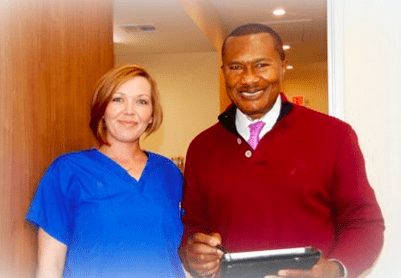
Dr. Okey Okoli, M.D., FACOG
OB/GYN · Board-Certified OB/GYN
Dr. Okoli takes the time to get to know each woman in his care and creates a customized treatment plan according to her needs and goals.
He trained at the University of Nigeria Faculty of Medicine and completed his OB/GYN residency at the Bronx-Lebanon Hospital Center in New York. He also mentors nurse practitioners and midwives as an Adjunct Assistant Clinical Professor with the University of the Incarnate Word.
More about Dr. OkoliRequest an appointment
Fibroids is already selected. Our office will call you to find a time that works.